Drain Diagnostics for Cibolo Homeowners
What Causes a Gurgling Drain in Cibolo TX?
A gurgling drain is one of those sounds that is easy to ignore at first. It is not dramatic, it is not a leak, and the drain still works. But gurgling is not a normal plumbing sound. It is the drain telling you that air and water are moving through the pipe in a way they should not be.
In Cibolo homes, gurgling usually points to one of a handful of causes: a venting issue, a partial clog, a full P-trap, or a main line restriction. This guide explains what each one means, what you can safely check, and when it is worth calling a plumber.
The Short Answer
A gurgling drain means air is being pulled through the water in the drain trap because the pipe is not venting properly, or because a partial blockage is creating a pressure change in the line. The gurgle is the symptom — the cause is usually one of four things.
The four most common causes of a gurgling drain:
- Blocked or undersized vent pipe — the drain cannot pull air from where it should, so it pulls air through the water in the trap instead.
- Partial blockage in the drain line — buildup or debris creates a restriction that changes the pressure in the pipe.
- Full or dry P-trap — the trap either has too much sitting in it or has lost its water seal, which lets air move freely.
- Main line or sewer issue — when multiple drains gurgle, the problem is often further down the system.
Gurgling from one fixture is usually a local issue. Gurgling from several fixtures, especially after another fixture drains, usually points to the main line or a venting problem.
Match the Sound to the Cause
Not all gurgling sounds are the same. Where the sound comes from, and when it happens, tells you a lot about what is going on in the pipe.
| When You Hear It | Likely Cause | Suggested Next Step |
|---|---|---|
| Gurgle from the sink after it drains | Partial clog or venting issue in the branch line | Try a plunger; if it returns, professional look |
| Toilet gurgles when another fixture drains | Main line restriction or vent issue | Professional diagnosis recommended |
| Tub gurgles when the sink or washer drains | Shared drain or main line issue | Sewer camera inspection recommended |
| Gurgle from a floor drain | Dry trap or main line pressure change | Add water to trap; if it persists, call |
| Gurgle from one sink only, nothing else | Local clog or a partially blocked vent serving that fixture | Try a plunger; check the vent if possible |
| Gurgle in multiple fixtures at the same time | Main line blockage or venting problem | Stop using water; call a plumber promptly |
| Gurgling along with slow draining | Partial blockage in the drain line | Professional drain cleaning |
| Gurgling with no other symptoms | Early-stage venting or minor buildup | Note the pattern; monitor or call for diagnosis |
If you are not sure which category fits, the plumbing services page lists the service categories available, or you can send a request and describe what you are hearing.
Why a Drain Gurgles
Every drain needs two things to work properly: water flowing out and air flowing in. Gurgling happens when the balance is broken. These are the reasons that balance fails.
Blocked Vent Pipe
Every drain system has a vent pipe that runs up through the roof to let air in. If that pipe is blocked — by debris, a bird nest, frost, or even a stuck flapper in a nearby fixture — the drain has to pull air from somewhere else. It pulls it through the water in the trap, and you hear a gurgle.
Partial Clog in the Drain Line
A partial blockage — grease, hair, soap scum, or debris — narrows the pipe without fully closing it. Water flowing past the restriction creates a pressure difference that pulls air through the trap. This is why gurgling often shows up a few weeks before a drain fully clogs.
Full or Dry P-Trap
The P-trap is the curved section of pipe under the sink that holds water to block sewer gas. If the trap is full of debris, water cannot move through it smoothly. If it is dry — because the fixture has not been used in a while — the water seal is gone and air passes through freely, which produces a gurgle.
Main Line Restriction
When the main drain line has a partial blockage, water from any fixture in the house can back up behind it. Air gets pushed toward other fixtures, which gurgle as a result. This is the most common reason several drains gurgle at once, or why a toilet gurgles when a sink drains.
Undersized or Improperly Installed Vent
Not every vent problem is a blockage. In some homes, the venting was undersized during construction or was modified during a renovation in a way that restricts airflow. This is a design issue rather than a blockage, and it tends to show up as chronic gurgling that never fully goes away.
Septic System Pressure
In homes on a septic system, a full tank or a problem with the drain field can create pressure in the system. That pressure shows up as gurgling drains inside the home, especially when several fixtures are used around the same time. This is worth having checked before it becomes a bigger issue.
Bellows or Air Chamber Failure
Some plumbing systems include an air chamber or mechanical vent under the sink to help with airflow. If that component fails or becomes waterlogged, the fixture loses the air buffer it was relying on, and the drain starts gurgling.
Frozen or Obstructed Vent During Cold Snaps
In this part of Texas, a hard freeze can block a roof vent with frost or ice. When that happens, the drain system loses its air supply for a period of time and gurgling becomes noticeable. It often clears once temperatures rise, but the underlying venting condition may still need attention.
Tree Roots in the Main Line
Tree roots entering a buried sewer line can cause partial blockages that change the pressure in the system. Gurgling from several fixtures is a common early symptom. This is one of the reasons a recurring gurgle is worth a camera inspection rather than continued guessing.
Gurgling Plus Slow Drain or Backup Is a Different Situation
A standalone gurgle is usually diagnostic — worth checking, but not urgent. A gurgle combined with slow draining, water backing up into a tub or shower, or a sewage smell is a bigger signal. In that situation, stop using water in the affected area and call for professional help before the problem spreads further.
What You Can Check Safely
You cannot inspect a vent pipe from the roof, and you cannot diagnose a main line blockage without equipment. What you can do is gather useful information that makes the conversation with a plumber more productive.
- ✓ Note which fixtures gurgleOne fixture is likely local. Multiple fixtures — especially when another fixture drains — points to the main line or venting.
- ✓ Note when the gurgle happensAfter the sink drains? When the toilet flushes? When the washing machine runs? The timing narrows the cause considerably.
- ✓ Check the drain for slow drainingIf the gurgle comes with a slowdown, the drain has a partial blockage. If draining is fine, venting is the more likely issue.
- ✓ Run water in a rarely used sinkA sink or tub that has not been used in weeks may have a dry trap. Running water for a minute can restore the seal and stop a gurgle caused by a dry trap.
- ✓ Look under the sink for moistureWater around the P-trap or the disposal fittings can be a loose connection rather than a clog. Note anything wet but do not overtighten fittings yourself.
- ✓ Check the outside for signs of a sewer issueWet spots in the yard, sewage odor outdoors, or unusually lush patches of grass can all point to a buried line problem.
- ✓ Try a plunger on a single slow drainIf one fixture gurgles and drains slowly, a cup plunger may clear a simple clog in the trap. If the gurgle returns within a few days, the problem is deeper.
- ✓ Check if the home has a septic systemHomes on septic can gurgle for reasons that have nothing to do with the interior plumbing. This is worth noting if you are on septic.
Where to stop: do not go on the roof to inspect the vent, do not remove the P-trap if you are not comfortable with plumbing work, and do not use chemical drain cleaners to try to stop a gurgle. Chemical cleaners do not fix venting issues, and they can damage older pipes. See the article on chemical drain cleaners for why this is not the right tool for a gurgling drain.
How a Plumber Diagnoses a Gurgling Drain
Gurgling has more than one possible cause, so the diagnosis step matters. These are the ways a plumber typically narrows it down.
- 1 Reproduce the sound The plumber asks you to describe exactly what you hear and when. Then they may run water at different fixtures to hear it themselves and confirm which line is involved.
- 2 Test individual fixtures Running water one fixture at a time helps identify whether the issue is local to a specific drain or affects the whole system.
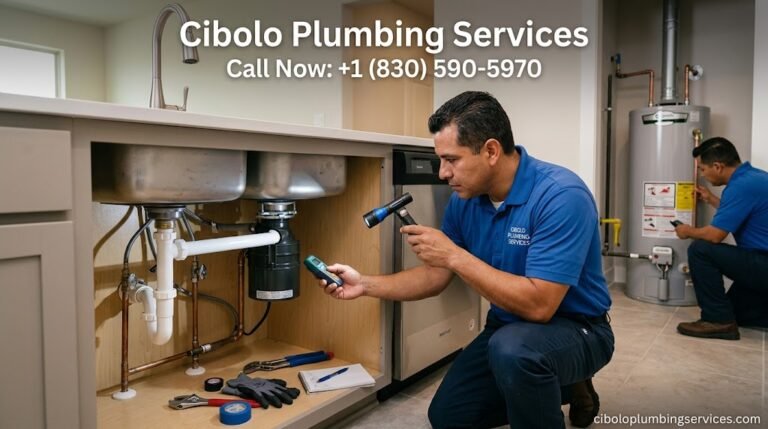
- 3 Inspect the accessible plumbing The P-trap under the sink, the disposal connection, and any visible vent connections are checked for obvious issues — debris, improper installation, or signs of blockage.
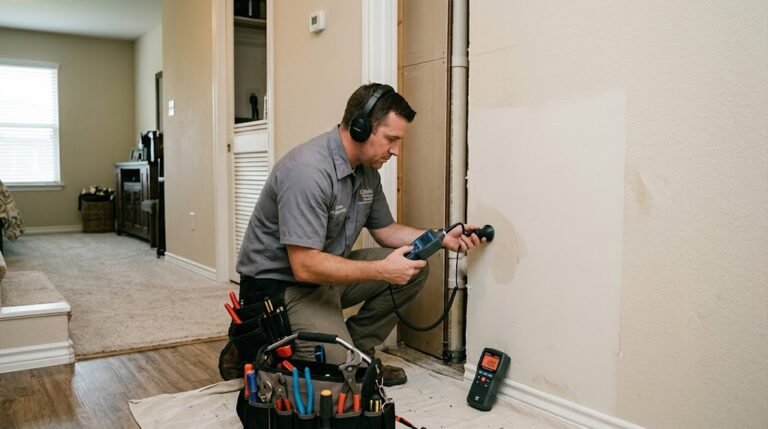
- 4 Vent system check Where accessible, the venting is inspected. In many homes, part of the vent runs through the attic or along the exterior wall, so the plumber may check those areas for signs of blockage.
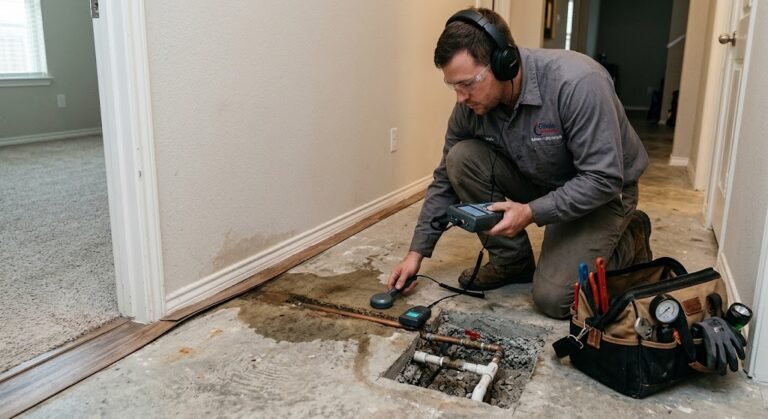
- 5 Drain line camera inspection For recurring gurgling or when a main line issue is suspected, a camera inspection shows the interior of the pipe. It reveals scale, cracks, a belly, or tree roots. If you want a real answer rather than a guess, this is the step that gives it. See the article on recurring drain clogs for related information.
- 6 Recommendation Based on what was found, the plumber explains the cause and what would fix it — whether that is clearing a clog, repairing a vent, or something else.
What Not to Do With a Gurgling Drain
The wrong response to a gurgling drain can turn a diagnostic issue into an actual problem. These are the reactions to avoid while you figure out the next step.
Do Not Pour Chemical Cleaners Down the Drain
Chemical drain cleaners do not address venting problems, and they can damage older pipes. If the gurgle is coming from a vent issue, no amount of chemical will fix it.
Do Not Go on the Roof to Inspect the Vent
The vent pipe terminates on the roof. Inspecting it involves heights and roof access that should not be attempted by a homeowner. This is a job for a professional.
Do Not Mix Chemical Products
Even if you decide to use a drain cleaner, do not stack a second type on top of the first. Different products can react inside the pipe and produce dangerous fumes or heat.
Do Not Ignore Gurgling From Multiple Fixtures
When several fixtures gurgle at once, or a toilet gurgles when another fixture drains, that usually points to the main line. Waiting to see if it clears on its own can lead to a much larger backup.
Do Not Assume It Is Normal
Gurgling is not a normal plumbing sound. It is a symptom of a venting or drainage issue that can get worse. Treating it as normal is how small problems become bigger ones.
Do Not Force a Stuck Trap Nut
Older P-traps can seize. Forcing one can crack the pipe or break the fitting. If it does not turn by hand, stop and call a plumber.
Why Gurgling Drains Show Up in Cibolo Homes
Homes in and around Cibolo have a few characteristics that make gurgling drains more common than they might be in other parts of the country. Water here carries dissolved minerals, and those minerals deposit inside pipes over time. A mineral-scaled vent pipe restricts airflow, which pushes the drain system toward gurgling. The same scale inside a drain line narrows the pipe and creates the pressure changes that produce the sound.
The clay-heavy soil in this area also expands and contracts with wet and dry cycles. That movement can shift buried vent and drain lines, sometimes creating low spots where water collects. A drain line with a belly is more prone to partial blockages, and partial blockages are one of the most common causes of gurgling.
Occasional hard freezes add another layer. A vent pipe on the roof can ice over during a cold snap, which temporarily blocks airflow and causes gurgling inside the home. That usually resolves when temperatures warm, but if the venting condition was already marginal, the gurgling can become a recurring issue.
None of this means every gurgle is a serious problem. Many are minor and resolve with simple steps. But when the same fixture gurgles repeatedly, or when multiple fixtures are involved, the cause is usually in the pipe or the venting rather than in what is being put down the drain. If you are deciding whether to keep troubleshooting or call someone, the guide on hiring a plumber in Cibolo covers how to vet a professional before you commit.
Cibolo, TX
Primary Service AreaDrain diagnostics and local plumbing service for Cibolo homes and nearby properties.
View Service AreasGurgling Drain FAQs
Common questions from Cibolo homeowners about gurgling drains.
No. A gurgling drain can point to a clog, but it can also come from a venting issue, a dry trap, or a pressure change in the system. What matters is the pattern. If the gurgle comes with slow draining, a clog is more likely. If the drain drains fine but gurgles, venting is more likely. Either way, the gurgle is a diagnostic signal worth paying attention to.
When a toilet gurgles because another fixture is draining, the drain system is pulling air through the toilet's water seal to balance pressure in the pipe. That usually means there is a partial blockage or a venting problem downstream of both fixtures. This is the kind of symptom that often points to the main line rather than a single clog, and it is worth having looked at.
Yes. The P-trap holds a small amount of water that blocks sewer gas and helps control airflow. If a fixture has not been used for a while, that water can evaporate, leaving the trap dry. When water finally runs through it, air moves freely and you hear a gurgle. Running water through the fixture for a minute or two usually restores the seal. If gurgling returns quickly after that, the cause is something else.
Usually not. Chemical drain cleaners are designed to clear organic blockages, not venting problems. If the gurgle is caused by a blocked or undersized vent, no amount of drain cleaner will fix it. In some cases, chemical cleaners can make the situation worse by damaging older pipes. For a gurgling drain, diagnosis is the right first step rather than treatment.
It can be. Heavy rain can raise the water table and affect how a septic system performs, which can cause gurgling inside the home. Cold weather can freeze a roof vent and temporarily block airflow, which also causes gurgling. If the gurgling is tied to specific weather patterns, that pattern is useful information when you describe it to a plumber.
Some cases can be addressed at home. If the gurgle is from a dry trap, running water helps. If it is a simple clog near the trap, a plunger can help. But if the gurgling is coming from the venting system, from multiple fixtures, or from the main line, the fix requires proper diagnostic equipment and access. Trying to force a fix on those situations usually makes them worse.
A plumber reproduces the sound by running water at different fixtures, inspects the accessible plumbing, checks the venting where possible, and — for recurring or multi-fixture gurgling — uses a camera inspection to see inside the pipe. The combination of what you describe and what the equipment shows is what produces a real answer.
You can send a request through the Contact Us page, or call (830) 590-5970. It helps to mention which fixtures gurgle, when the sound happens, and whether any fixtures are also slow. You can also review the FAQs for more general plumbing questions, or read more on the plumbing blog.
Hearing Gurgling in Your Home?
Gurgling is a symptom, not a normal plumbing sound. If it is happening in one fixture and clears quickly, it may be a simple trap issue. If it comes back, or if several fixtures are involved, a proper diagnosis is the fastest path to a real fix. A drain cleaning and, when appropriate, a camera inspection will show what is actually happening inside the pipe.
Explore Cibolo Plumbing Services
Additional pages that explain how this website and its services work.
Plumbing Services
Browse the main plumbing service categories available for Cibolo properties.
Signs You Need Drain Cleaning
The key signs that a drain needs professional cleaning, and what each one means.
Are Chemical Drain Cleaners Safe?
What chemical drain cleaners do to pipes, and safer alternatives.
Why Does My Drain Keep Clogging?
What a repeated clog usually means, and when it points to a bigger issue.
Slow Kitchen Sink Drain
Common causes and what to check when a kitchen sink drains slowly.
Contact Us
Submit a plumbing service request or contact us with a question.