Burst Pipe Prevention in Cibolo, TX
Burst Pipe Prevention Tips for Cibolo TX Homes
A burst pipe can dump hundreds of gallons of water into your home in a matter of minutes. In Cibolo, the combination of occasional hard freezes and expansive clay soil makes pipe failure a real risk for homeowners — not just in winter, but year-round.
This guide covers the most common causes of burst pipes, the prevention steps that actually work, freeze-prep routines for Cibolo winters, and the warning signs that a pipe is about to fail.
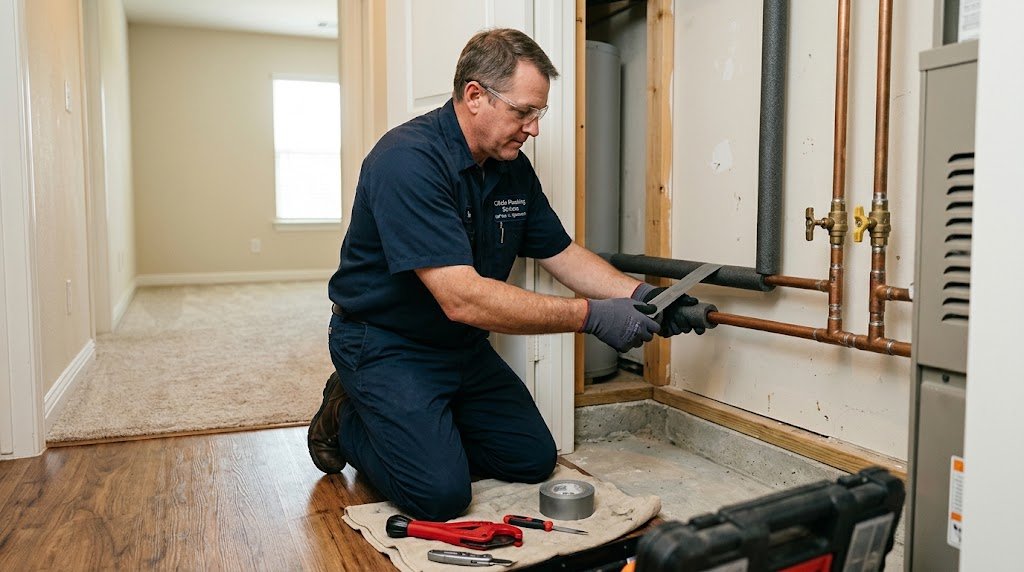
Why Pipes Burst in Cibolo Homes
A burst pipe is rarely a random event. In most cases, one or more of these conditions has been building up for months or years before the pipe finally fails. Understanding what causes pipes to burst is the first step toward preventing it.
Cibolo's climate and soil create a specific set of stressors. Water expands roughly 9% when it freezes, which is enough to split copper, PEX, or PVC. Meanwhile, the region's clay-heavy soil swells and shrinks with moisture changes, shifting the ground around buried service lines and slab-embedded pipe.
Older homes with galvanized steel or aging copper are especially vulnerable, but newer homes are not immune. High water pressure, poor installation, and simple wear can cause a pipe to fail at any age.
The best burst pipe prevention steps are: insulate exposed pipes, disconnect garden hoses before a freeze, keep the home above freezing during cold snaps, have water pressure checked regularly, and address any corrosion or dripping before it turns into a failure.
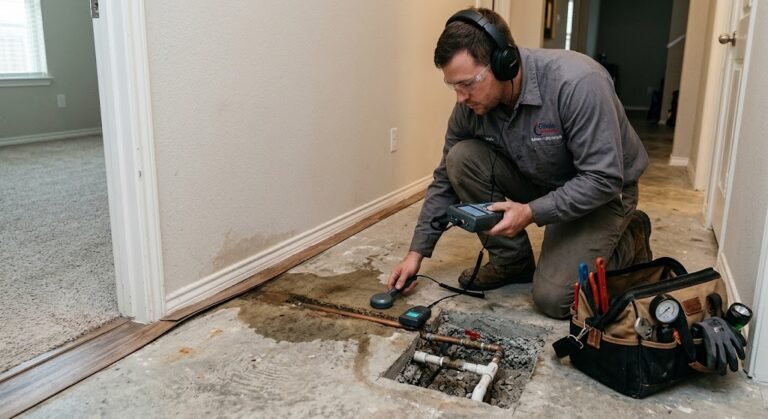
If a pipe does burst: shut off the main water valve immediately, cut power to wet areas only if the breaker panel is dry and reachable, and call a plumber. For a step-by-step breakdown of what to do, see the guide on how to find a hidden water leak in your Cibolo home.
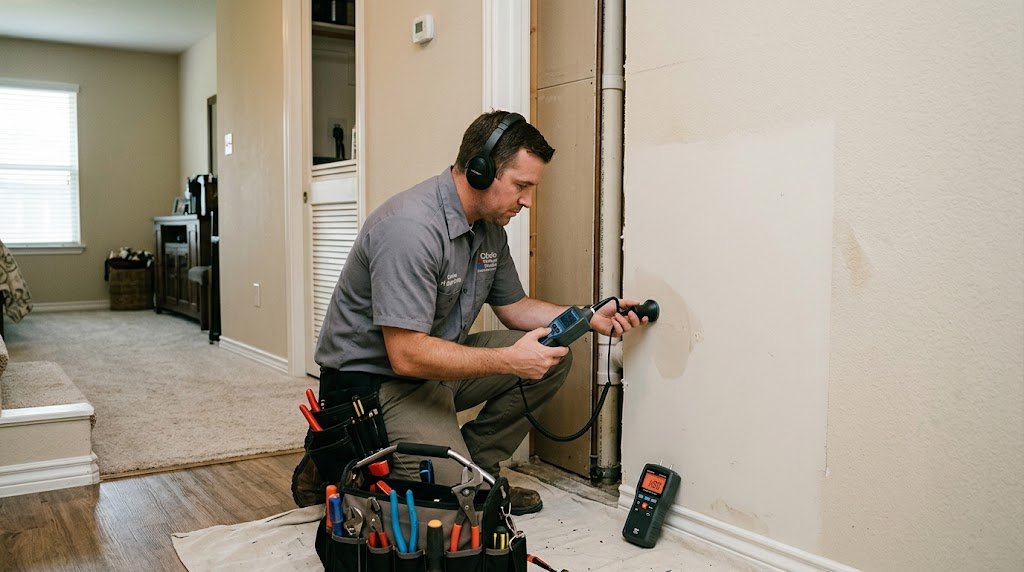
What Actually Causes a Pipe to Burst
These are the most common causes of burst pipes in Cibolo homes. Each one is addressable, and most can be caught before the pipe fails.
Freezing Temperatures
Water expands as it freezes and splits the pipe from the inside. The leak often does not appear until the ice thaws, which is why the damage is sometimes discovered hours after the freeze has passed.
High Water Pressure
Pressure above what the system is rated for stresses joints, fittings, and the pipe itself. A failing pressure regulator can push household pressure too high without any warning to the homeowner.
Corrosion in Older Pipes
Galvanized steel and older copper lines thin out over decades. Eventually the wall of the pipe fails under normal household pressure, often at a joint or fitting where corrosion has been building.
Water Hammer
That banging sound when a valve closes quickly is water hammer. Over time it loosens fittings and can crack pipe at joints. A water hammer arrestor or a pressure check can usually solve the issue.
Ground Shifting
Cibolo's expansive clay soil moves with wet and dry cycles. That movement stresses buried water service lines and slab-embedded pipe, which can lead to cracks and eventual failure.
Poor Installation or Repairs
A joint that was not properly soldered, crimped, or tightened can fail years later, often at the worst possible time. This is one reason it pays to work with a licensed plumber.
Shut Off the Water First. Then Call.
If a pipe has burst in your home, shut off the main water valve immediately. If the breaker panel is dry and reachable without stepping in water, cut power to affected areas. Then call. Fast action on the shutoff is what limits the damage.
Year-Round Burst Pipe Prevention Checklist
These steps are the most effective way to reduce the risk of a burst pipe in a Cibolo home. They take a modest amount of time and can prevent thousands of dollars in damage.
- Insulate exposed pipesFocus on pipes in the garage, attic, crawlspace, and along exterior walls. Foam pipe insulation is inexpensive and easy to install.
- Disconnect garden hoses before a freezeA hose left connected traps water in the spigot and the pipe behind it. Disconnect, drain, and cover outdoor spigots with insulated covers.
- Have your water pressure testedPressure above 80 PSI stresses the system. A plumber can test it and check whether the pressure regulator is working correctly.
- Fix dripping faucets and running toiletsA drip may be a sign that a valve or seal is failing. A running toilet can also signal that a fill valve is stuck and putting pressure on the system.
- Install water hammer arrestors if neededIf you hear banging when valves close, a water hammer arrestor can absorb the shock and protect joints from repeated stress.
- Schedule a plumbing inspectionA plumber can spot corrosion, loose fittings, and early signs of failure before they turn into a burst pipe. See the guide on how often Cibolo homes should have plumbing inspected.
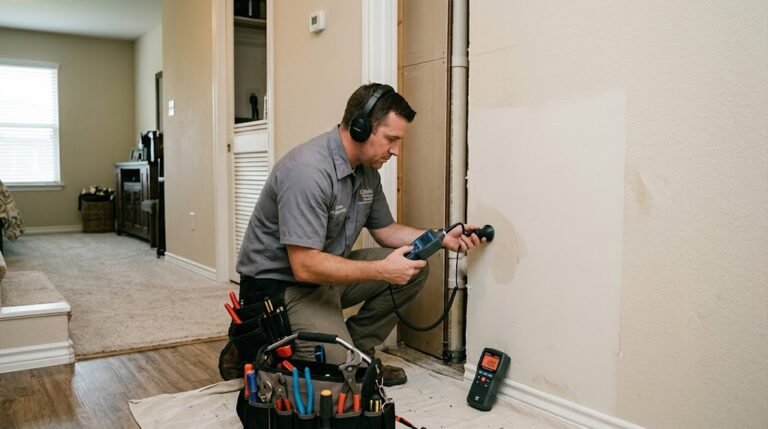
Related reading: if you suspect a leak has already started, the guide on how to find a hidden water leak in your Cibolo home walks through the meter test and other checks. For leak detection specifically, see water leak detection in Cibolo TX.
What to Do Before a Cibolo Freeze
Cibolo sees occasional hard freezes, and those are when most burst pipes happen. This is the routine to run through any time a freeze is in the forecast.
- 1 Disconnect every garden hose A hose left connected traps water in the spigot and the pipe behind it. Disconnect, drain, and store the hose. Cover outdoor spigots with insulated covers or wrap them with towels and plastic.
- 2 Let a few faucets drip overnight A slow drip keeps water moving through the pipes and relieves pressure if freezing starts. Choose a faucet on an exterior wall — that is the most vulnerable pipe in most homes.
- 3 Open cabinet doors under sinks Kitchen and bathroom sinks on exterior walls often have pipes running through unheated cabinet space. Opening the doors lets warm indoor air circulate around the pipes.
- 4 Keep the thermostat steady Do not lower the thermostat overnight during a freeze. Keep the home at a consistent temperature, day and night, until the cold snap passes. If you are away, do not set it below 55°F.
- 5 Insulate garage and attic pipes Pipes in garages, attics, and crawlspaces are exposed to outdoor temperatures. Foam pipe insulation is inexpensive and can be installed in an afternoon.
- 6 Know where your main shutoff is located If a pipe does burst, you need to shut off the water immediately. Locate the main valve today — before you need it. Test that it turns, but do not force a stuck valve.
What Not to Do When Pipes Are at Risk
A few common reactions during cold snaps actually increase the risk of a burst pipe or make an existing problem worse. These are the ones to avoid.
Do Not Leave a Hose Connected
A connected hose is one of the most common causes of a split spigot. The water has nowhere to expand, and the pipe behind the wall takes the pressure.
Do Not Set the Thermostat Too Low
Dropping the thermostat overnight or while you are away can let interior temperatures fall below freezing near exterior walls and in cabinets.
Do Not Use an Open Flame to Thaw a Pipe
A torch or open flame can ignite surrounding materials and crack the pipe. Use a hair dryer, heat lamp, or warm towels instead, and never leave them unattended.
Do Not Pour Boiling Water on a Frozen Pipe
A sudden temperature change can crack the pipe. Use warm — not boiling — water, and apply heat gradually from the end closest to the faucet.
Do Not Ignore a Dripping Faucet After a Freeze
If a faucet stops working after a freeze and then drips or sprays when it thaws, the pipe has likely split. Shut off the water and call a plumber.
Do Not Force a Stuck Main Valve
Older gate valves can break if forced. If the valve will not turn with firm hand pressure, stop and call — a broken main valve makes the situation much worse.
Burst Pipe Prevention for Cibolo Homes
Cibolo's climate creates two distinct burst-pipe risks. In winter, a hard freeze can split pipes in a single night — especially those in garages, attics, and along exterior walls. Year-round, the region's expansive clay soil stresses buried service lines and slab-embedded pipe as the ground moves.
Many homes here also have water heaters, washing machine connections, and hose bibs in garages or on exterior walls. Those spots are more exposed to temperature swings than interior plumbing, which makes them common locations for winter pipe failures.
If your home was built decades ago and still has galvanized steel supply lines, corrosion is a factor worth keeping in mind. A plumber can assess the condition of the piping and recommend whether any sections should be replaced before they fail.
Cibolo, TX
Primary Service AreaBurst pipe prevention, plumbing inspections, and emergency service for Cibolo homes and nearby communities.
View Service AreasBurst Pipe Prevention FAQs
Common questions from Cibolo homeowners about preventing burst pipes.
Water freezes at 32°F, but pipes in exterior walls and unheated spaces can freeze even when the outdoor temperature is slightly above that, because wind and exposure lower the effective temperature around the pipe. The risk is highest during sustained below-freezing periods, especially overnight.
Yes, a slow drip is one of the simplest and most effective freeze-protection measures. Moving water is less likely to freeze than still water, and an open faucet gives expanding ice somewhere to push. Choose a faucet on an exterior wall, since that is usually the most vulnerable pipe in the home.
A frozen pipe typically produces no water at the affected fixture, and the pipe may feel unusually cold or show frost. Treat a frozen pipe as a potential burst pipe: shut off the water, thaw gradually with warm air (not open flame or boiling water), and check for leaks once water flow returns.
Repair cost depends on where the pipe burst and how accessible it is. A visible pipe under a sink is a straightforward repair, while a burst pipe inside a wall or under a slab involves detection, access, and restoration. The bigger cost is usually the water damage, not the pipe itself, which is why prevention pays off.
Policies vary. Sudden and accidental water damage from a burst pipe is often covered, while the pipe repair itself may or may not be. Damage from a leak that has been ongoing for weeks or months is sometimes excluded as a maintenance issue. Document the damage with photos, keep receipts, and contact your insurer to ask how they want the claim handled.
Call (830) 590-5970 to describe what you have noticed, or send a request through the Contact Us page. Mention whether the pipe has already burst, whether the water is shut off, and whether any electrical areas are affected. For help choosing a plumbing professional, see the guide on hiring a plumber in Cibolo TX.
Want a Plumber to Check Your Pipes Before Winter?
Prevention is almost always cheaper than repair. A plumbing inspection can catch corrosion, high pressure, and exposed pipe before a freeze turns a small weakness into a burst pipe. If you have already noticed a drip, a stain, or a bill that has climbed, do not wait.