Plumbing Help for Cibolo Homeowners
How to Tell If Your Water Heater Needs Repair or Replacement
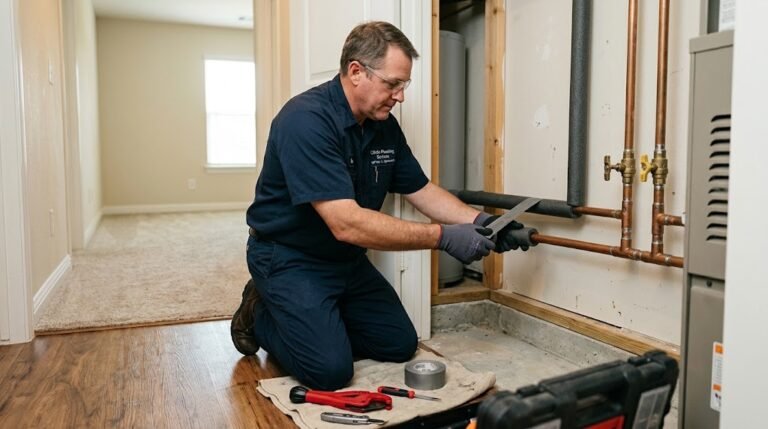
A water heater rarely fails without warning. It usually gives you signals first — a shower that runs cold sooner than it used to, a rumbling sound from the tank, a small puddle at the base, or water that never quite gets hot enough.
The tricky part is deciding whether those signals mean a simple repair or a full replacement. This guide explains the signs that matter, the questions a plumber will ask, and how to make a decision based on facts rather than guesswork.
The Short Answer
There is no single rule that fits every water heater. The decision usually comes down to three things: the age of the unit, the nature of the problem, and whether the cost of repair makes sense compared to the remaining life of the tank.
A tank water heater typically lasts around 8 to 12 years. A tankless unit can last longer — often 15 to 20 years with proper maintenance. Once a tank heater passes the 10-year mark, repairs start to feel like temporary fixes rather than long-term solutions.
Repair usually makes sense when the unit is under 8 years old, the problem is a single component (heating element, thermostat, pressure relief valve, thermocouple), and the tank itself is sound.
Replacement usually makes more sense when the tank is leaking, the unit is over 10–12 years old, there is rust or corrosion on the tank itself, or the repair cost approaches half the price of a new unit.
If you see water pooling around the base of the tank, that is usually a sign the tank has failed internally. In most cases, a leaking tank cannot be repaired — it needs to be replaced.
Repair vs. Replace: A Quick Comparison
Use this table as a general guide. A plumber can confirm the actual condition of your unit after inspecting it.
| Situation | Usually Repair | Usually Replace |
|---|---|---|
| Age of unit | Under 8 years old | Over 10–12 years old |
| Nature of problem | Single component failure | Tank leak, rust, multiple failures |
| Water at the base | Loose fitting or valve (rare) | Tank leak (common) |
| Rust on tank | No rust on tank body | Visible rust or corrosion on tank |
| Noise level | Occasional popping (sediment) | Constant rumbling, banging |
| Hot water supply | Inconsistent, but still works | Runs out quickly or not at all |
| Repair cost vs. new unit | Less than 30% of new unit cost | More than 50% of new unit cost |
| Energy efficiency | Unit still efficient for its age | Unit is old, inefficient, or oversized |
If you are not sure which category your water heater falls into, you can request a professional evaluation and a plumber can assess the unit in person.
Signs Your Water Heater Is Telling You Something
These are the most common signals homeowners notice before a water heater fails completely. Some point to a simple repair. Others suggest the unit is near the end of its service life.
Water Is Not Hot Enough
If the water is warm but never truly hot, the thermostat setting may have been changed, a heating element may have failed, or sediment may be insulating the tank from the burner. On a gas unit, a failing thermocouple or burner issue can cause the same symptom. This is often repairable if the tank itself is in good condition.
Hot Water Runs Out Quickly
A tank that used to fill a whole bath now barely gets through a shower. This usually means sediment has built up on the bottom of the tank, reducing how much hot water it can actually hold. Flushing the tank may help, but if the buildup is severe, the tank may be near the end of its life.
Rumbling or Popping Sounds
That deep rumbling or popping noise is usually caused by sediment at the bottom of the tank. As the burner heats the tank, water trapped under the sediment layer boils and pops. It is not immediately dangerous, but it means the tank is working harder than it should, and the buildup will only get worse over time.
Water Pooling Around the Base
Water at the base of the tank is one of the clearest signs that the tank itself has failed. It might come from a loose fitting or a failing valve, but more often it means the inner tank has corroded through. A leaking tank cannot be repaired — it needs to be replaced before it causes water damage.
Rust or Corrosion on the Tank
A little rust on the pipes or fittings is normal. Rust on the tank body itself is a different story. It usually means the tank is corroding from the inside out. Once rust appears on the tank, the unit is on borrowed time — replacement is usually the more sensible option.
Discolored or Metallic-Tasting Water
If hot water comes out rusty or has a metallic taste, the anode rod inside the tank may be depleted. The anode rod is a sacrificial component that attracts corrosion so the tank does not rust. Replacing it can extend the life of the tank — but if the water has been discolored for a while, the tank may already be damaged.
Moisture or Condensation
A little condensation on the outside of a cold tank is normal in humid weather. But if the tank feels damp, has water streaks running down the side, or shows signs of moisture around the fittings, it is worth having it inspected. Small leaks rarely fix themselves and can get worse quickly.
Frequent Repairs or Rising Bills
If you have called for repairs more than once in the past year or two, the unit is telling you something. The same goes for a noticeable jump in your gas or electric bill without a change in usage. An aging water heater loses efficiency over time, and that cost shows up on your utility bill.
Pilot Light or Ignition Problems
On a gas water heater, a pilot light that keeps going out or an igniter that clicks without lighting can often be repaired. A dirty pilot tube, a failing thermocouple, or a faulty gas control valve are all common causes. This is not a DIY repair — gas components should only be serviced by a qualified professional.
Water Heater Leaking Right Now?
If water is actively pooling around the tank, the first step is to shut off the cold water supply to the heater and, for a gas unit, turn off the gas valve. Then call a plumber. A leaking tank will not stop on its own, and the sooner it is addressed, the less chance there is of water damage to the surrounding area.
What You Can Safely Check Yourself
These checks are low-risk and do not require opening the tank or touching gas or electrical components. If any of them make you uncomfortable, stop and call a professional.
- ✓Check the temperature setting
- ✓Look for water at the base
- ✓Listen for rumbling or popping
- ✓Test hot water at multiple fixtures
- ✓Check the age of the unit
- ✓Look for rust on the tank
- ✓Check the pressure relief valve
- ✓Review your utility bill
Important: Do not remove the access panel on an electric water heater or open the burner compartment on a gas unit. Both contain components that can be dangerous. Visual checks from the outside are enough to gather useful information.
When to Call a Plumber for Your Water Heater
Some water heater problems are straightforward repairs. Others point to a failing tank that needs to be replaced. Here is how to think through the decision.
- 1 Water is leaking from the tank A leaking tank is usually a failed tank. Shut off the water supply and call a plumber. In most cases, the unit will need to be replaced.
- 2 No hot water at all This could be a failed heating element, a tripped breaker, a pilot light issue, or a gas supply problem. Some of these are simple repairs. A plumber can diagnose the cause.
- 3 Inconsistent hot water If hot water comes and goes, or runs out faster than it used to, sediment buildup or a failing component is likely. A flush and inspection can determine whether repair is worthwhile.
- 4 Rust-colored water from hot taps only This usually means the anode rod is depleted or the tank is corroding internally. An anode rod replacement may help if caught early. If the tank is already rusting, replacement is the better option.
- 5 Strange noises from the tank Popping and rumbling from sediment can sometimes be resolved with a flush. If the noise continues after flushing, the tank may be too far gone.
- 6 The unit is over 10 years old Even if the current problem seems minor, an aging tank is more likely to develop another problem soon. At this age, replacement is often the more cost-effective choice.
- 7 The repair estimate is high If the cost of the repair is more than half the cost of a new unit, replacement usually makes more financial sense — especially on an older tank.
What Not to Attempt on Your Own
Water heaters involve gas, electricity, pressurized water, and in some cases, a sacrificial anode rod that can produce flammable gas. These are not DIY repairs.
Gas Line or Burner Work
Any work involving the gas supply, burner assembly, thermocouple, or gas control valve should be handled by a qualified professional. If you smell gas, leave the area and contact your gas utility or emergency services.
Electrical Components
Electric water heaters contain high-voltage wiring and heating elements. Even with the breaker off, there can be residual risk. Leave electrical diagnostics and repairs to a professional.
Removing the Anode Rod
The anode rod can release hydrogen gas when removed, and it is often tightly seized in place. This is not a safe DIY task without the right tools and experience.
Pressure Relief Valve Testing
The temperature and pressure relief valve is a safety device. If it is stuck or corroded, testing it can cause it to leak or fail. Have it inspected by a plumber.
Ignoring a Leaking Tank
A leaking water heater will not fix itself. Water can damage flooring, walls, and surrounding structure. If you see water at the base of the tank, act promptly.
Using a Damaged Unit
If the tank is rusted, leaking, or making loud banging noises, continuing to use it increases the risk of a sudden failure. It is better to have it evaluated than to wait for it to fail completely.
Why This Comes Up in Cibolo Homes
Water heaters in Cibolo and the surrounding communities deal with the same conditions as the rest of South-Central Texas: mineral-rich water and occasional hard freezes. The mineral content in the water supply is what leads to sediment buildup inside tank water heaters over time. That sediment is the root cause of many of the symptoms described above — rumbling, reduced hot water capacity, and higher energy bills.
Hard freezes are another factor. A freeze event can damage a water heater's pipes or fittings, and the resulting leak may not be obvious until the weather warms up. If your water heater problems started after a cold snap, that history is useful when you call a plumber.
Many homes in the area have tank water heaters installed in the attic or garage. In those locations, a leaking tank can cause significant damage before it is noticed. If your water heater is in an attic, it is worth checking it periodically for signs of moisture or rust.
Cibolo, TX
Primary Service AreaLocal plumbing information and service requests for homeowners in Cibolo and nearby communities.
View Service AreasWater Heater Repair and Replacement FAQs
Common questions from Cibolo homeowners about water heater decisions.
A traditional tank water heater typically lasts 8 to 12 years. A tankless water heater can last 15 to 20 years with regular maintenance. The actual lifespan depends on water quality, how hard the unit works, and whether it has been maintained. In areas with harder water, tanks may not last as long without periodic flushing.
It depends on where the leak is coming from. A leak at a fitting, valve, or connection can sometimes be repaired. A leak from the tank itself — the inner steel vessel — usually cannot be repaired and means the unit needs to be replaced. A plumber can determine the source of the leak and advise whether repair is possible.
At 10 years old, a tank water heater is near the end of its expected lifespan. A minor repair might buy more time, but there is a reasonable chance another problem will appear soon. If the repair cost is significant, putting that money toward a new unit is often the more practical choice. A plumber can help you weigh the options based on the specific condition of your unit.
Rusty hot water usually means the anode rod inside the tank has been used up, or the tank itself is corroding. The anode rod is designed to corrode first so the tank does not. Replacing it can solve the problem if it is caught early. If the tank is already rusting, replacement is usually the better option.
Popping or rumbling is almost always caused by sediment buildup on the bottom of the tank. As the burner heats the tank, water trapped under the sediment layer boils and creates the sound. Flushing the tank can help, but if the buildup is heavy, the tank may need to be replaced.
A gas water heater has a gas supply line connected to it and a flue pipe on top to vent exhaust gases. An electric water heater does not have a flue and is connected only to electrical wiring. If you are not sure, the model and serial number tag on the unit will tell you.
Replacing a water heater on your own schedule is usually less stressful than waiting for it to fail. If your unit is over 10 years old and showing signs of wear — rust, noise, inconsistent hot water — planning a replacement before it leaks can save you from water damage and an emergency call. A plumber can help you decide whether it makes sense to replace now or wait.
You can send a request through the Contact Us page, or call (830) 590-5970. It helps to describe the age of the unit, what symptoms you are seeing, and whether the problem is hot water only or affecting the whole system. You can also review our FAQs for more general plumbing questions.
Still Not Sure Whether to Repair or Replace?
If your water heater is leaking, making loud noises, or not producing hot water the way it used to, the next step is a professional evaluation. A plumber can inspect the unit, identify the problem, and give you a clear recommendation based on the age and condition of the tank — not guesswork.
Explore Cibolo Plumbing Services
Additional pages that explain how this website and its services work.
Low Water Pressure in Cibolo
Learn about common causes of low water pressure in Cibolo homes.
Plumbing Services
Browse the main plumbing service categories available for Cibolo properties.
Areas We Serve
Review the primary service area and applicable local coverage information.
FAQs
Find answers to common plumbing questions about services and requests.
Contact Us
Submit a plumbing service request or contact us with a question.
Plumbing Blog
Read more plumbing guides and information for Cibolo homeowners.